

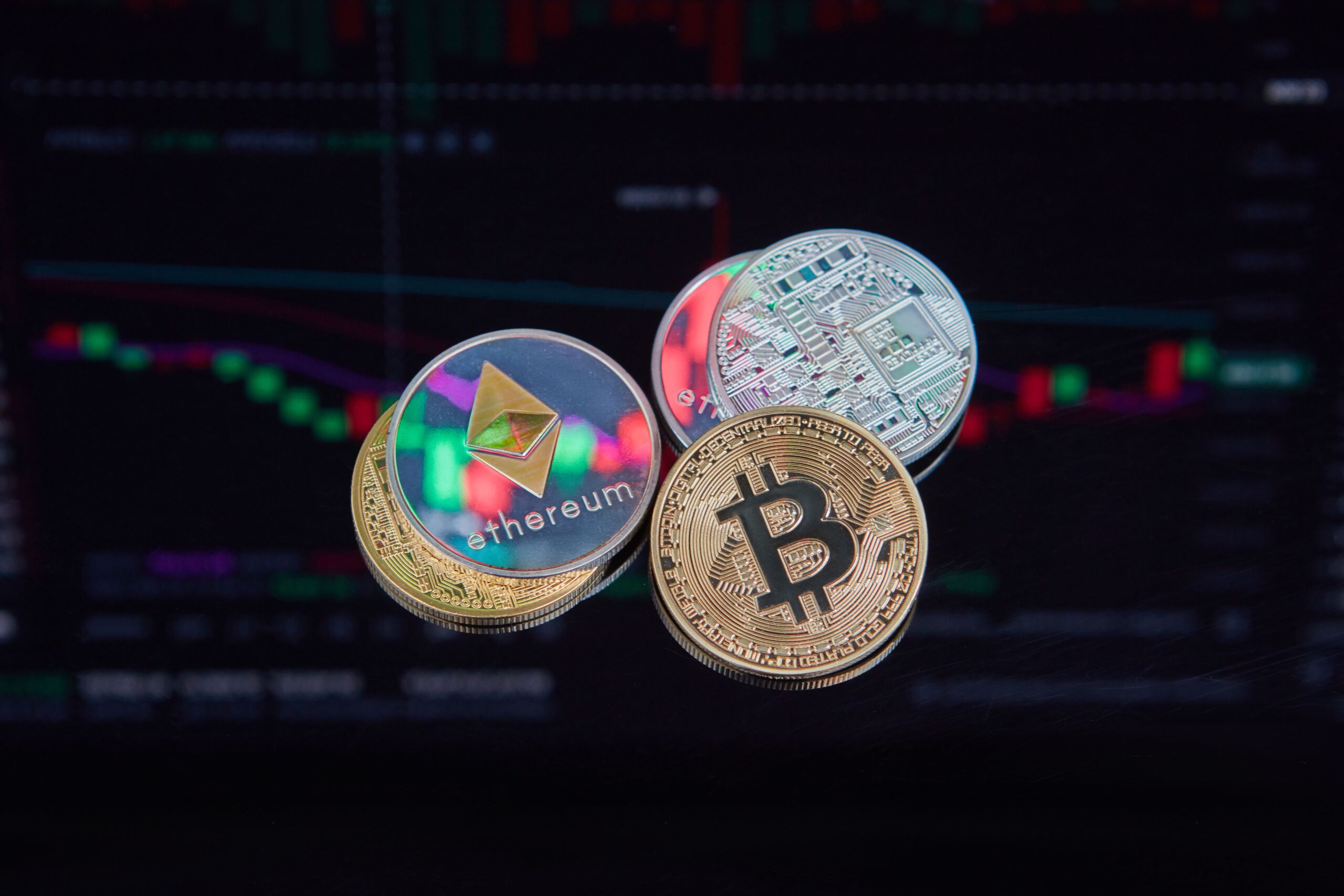
Bitcoin is a digital currency that lets people send and receive money online without a bank. It runs on a technology called blockchain, which records every transaction publicly. Since its creation in 2009, Bitcoin has grown into the most well-known cryptocurrency in the world. Many investors and everyday users now rely on it for payments and savings.
How Bitcoin Actually Works
Bitcoin operates on a decentralized network of computers. No single company or government controls it. Instead, thousands of computers around the world verify transactions and keep the system running smoothly.
Each transaction gets added to a “block,” which then joins a chain of previous blocks. This is why the technology is called blockchain. As a result, the entire history of Bitcoin transactions stays transparent and hard to fake.
Why People Choose Bitcoin
People use Bitcoin for several reasons. Some see it as a way to avoid traditional banking fees. Others view it as a long-term investment, similar to digital gold.
- Fast international transfers without a middleman
- Limited supply, since only 21 million bitcoins will ever exist
- Protection against inflation in unstable economies
- Full control over your own funds
Additionally, businesses increasingly accept Bitcoin as payment. This growing acceptance adds to its everyday usefulness.
Buying and Storing Bitcoin Safely
Getting started with Bitcoin is easier than most people expect. You simply create an account on a trusted exchange, verify your identity, and deposit funds. Then you can buy any amount of Bitcoin, even a small fraction of a coin.
However, storage matters just as much as buying. Many users keep their Bitcoin in a digital wallet instead of leaving it on an exchange. For larger amounts, a hardware wallet offers extra security since it stays offline.
Risks You Should Understand
Bitcoin’s price can swing dramatically within a single day. Therefore, it’s wise to only invest money you can afford to lose. On the other hand, this volatility is also what attracts traders seeking short-term profits.
Scams and phishing attempts are common in the crypto space. For example, fraudsters often pose as customer support to steal login details. Always double-check website addresses and never share your private keys with anyone.
Bitcoin’s Role in the Future of Finance
Many experts believe Bitcoin represents a shift toward decentralized finance. Governments and institutions are paying closer attention, with some countries even exploring official regulations. Meanwhile, more companies continue integrating Bitcoin payments into their services.
This growing interest suggests Bitcoin isn’t just a passing trend. Instead, it appears to be shaping how people think about money and ownership.
Frequently Asked Questions
Is Bitcoin legal?
Yes, Bitcoin is legal in most countries, though regulations vary widely. It’s best to check your local laws before investing or trading.
Can I buy less than one Bitcoin?
Absolutely. Bitcoin can be divided into smaller units, so you can buy a small fraction based on your budget.
What happens if I lose my wallet password?
Losing your private key or password can mean permanently losing access to your funds. This is why secure backups are essential.
Does Bitcoin mining harm the environment?
Bitcoin mining does consume significant energy, though many miners are shifting toward renewable power sources to reduce their impact.
Bitcoin continues to reshape how people think about money, ownership, and financial freedom. Whether you’re curious about investing or simply want to understand the technology, taking small steps to learn is a great start. Consider researching reputable exchanges and wallets before making your first move.
 100Ethereums - Your Guide to Ethereum, Crypto & Blockchain