

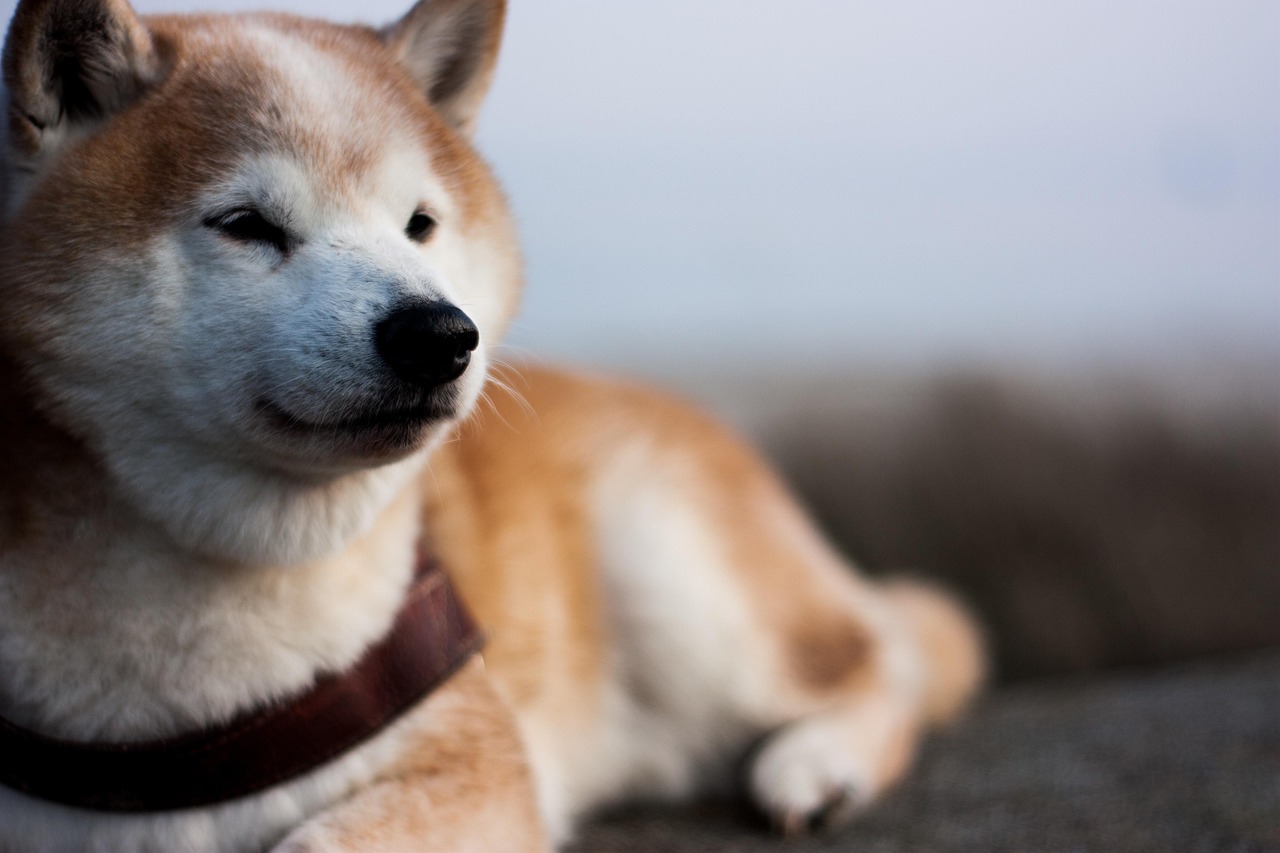
Thinking about bringing home a fox-faced Japanese dog? This guide has Shiba Inu explained for beginners, in plain language. You will learn about the breed’s history, temperament, and daily care needs. By the end, you will know whether a Shiba suits your lifestyle.
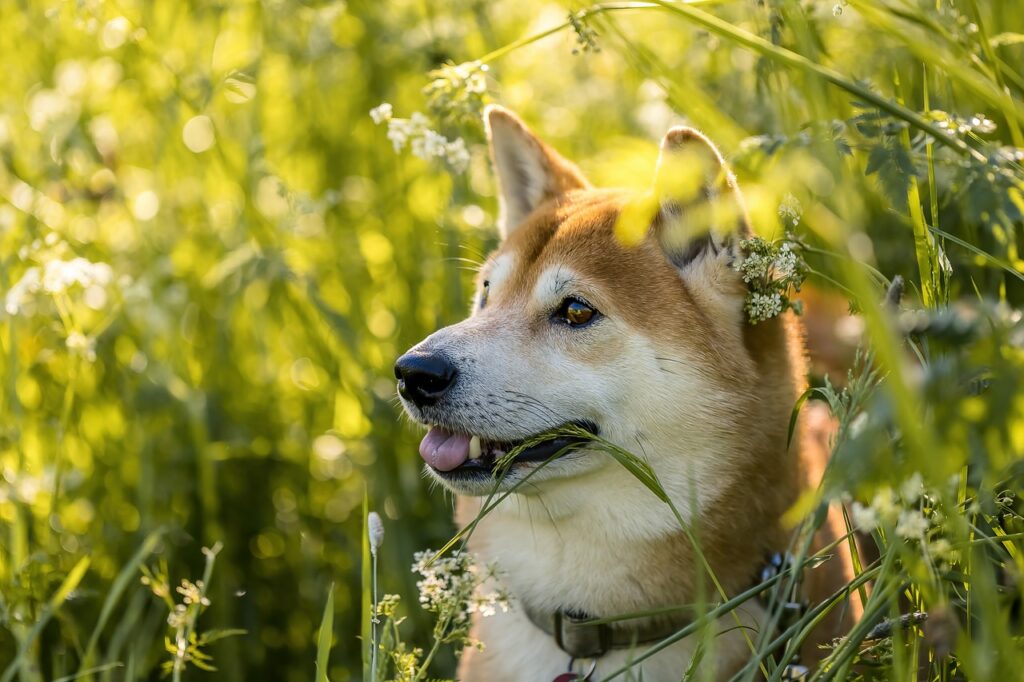
The Shiba Inu is small, sturdy, and famously independent. Many first-time owners fall for its looks and then struggle with its strong personality. Therefore, understanding the breed before you buy is essential.
Where the Shiba Inu Comes From
The Shiba Inu is one of Japan’s oldest native dog breeds. Hunters used it for centuries to flush out small game in mountainous terrain. The breed nearly vanished during World War II, but dedicated breeders rebuilt the population afterward.
Today, the Shiba is a popular companion across the world. It remains the smallest of Japan’s native spitz-type breeds. Its compact body and thick double coat reflect its working origins.
Shiba Inu Personality and Temperament
Shibas are bold, alert, and fiercely independent. Owners often describe them as catlike because they groom themselves and value personal space. They bond closely with their families but rarely act clingy.
On the other hand, this independence can feel stubborn. A Shiba decides for itself whether a command is worth following. As a result, patience matters more than force with this breed.
Many Shibas also show a dramatic streak. The famous “Shiba scream” is a loud, high-pitched protest when something displeases them. Nothing is wrong with your dog when this happens. It is simply how the breed expresses strong feelings.
Shiba Inu Explained for Beginners: Daily Care Basics
Caring for a Shiba is manageable if you stay consistent. The breed is clean, quiet, and relatively healthy. However, a few needs deserve special attention.
Exercise Needs
Shibas need around 45 to 60 minutes of activity each day. Brisk walks, sniffing games, and short play sessions work well. They also enjoy puzzle toys that challenge their sharp minds.
Always keep your Shiba on a leash or inside a fenced yard. Their prey drive is strong, and they will chase squirrels without warning. Furthermore, they are skilled escape artists, so check your fence regularly.
Grooming and Shedding
The thick double coat sheds lightly all year. Twice a year, it “blows” in a heavy seasonal shed. During those weeks, daily brushing keeps your home manageable.
Baths are rarely necessary, since the coat resists dirt and odor. Trim the nails regularly and brush the teeth several times a week. These small habits prevent bigger health problems later.
Feeding Your Shiba
Choose a high-quality food suited to your dog’s age and size. Adult Shibas usually eat two measured meals per day. Because they gain weight easily, avoid free feeding and limit treats.
Training and Socialization Tips
Start training and socialization early, ideally the day your puppy arrives. Shibas can become wary of strangers and other dogs without exposure. Careful introductions during puppyhood build a calmer adult.
Keep these principles in mind as you train:
- Use positive reinforcement with small, tasty rewards.
- Keep sessions short, around five to ten minutes.
- Stay consistent with rules across the whole household.
- Never rely on off-leash recall near roads.
- Reward calm behavior around new people and dogs.
Crate training also helps enormously. It gives your Shiba a safe space and speeds up house training. Most owners find that Shibas learn to be clean quickly.
Common Health Concerns
Shibas generally live 12 to 15 years. They are a hardy breed, yet some conditions appear more often. Hip dysplasia, allergies, and eye problems are the most common.
Choose a breeder who health-tests parent dogs and welcomes your questions. Alternatively, consider adopting from a breed-specific rescue. Regular vet visits catch problems early and keep your dog comfortable.
Is a Shiba Inu Right for You?
A Shiba suits owners who value independence, humor, and a clean home. It fits best with people who enjoy training challenges and have time for daily walks. On the other hand, it may frustrate anyone seeking an eager-to-please dog.
Households with very young children need extra care. Shibas dislike rough handling and may snap when pushed too far. Supervision and respect for the dog’s boundaries make everyone safer.
Frequently Asked Questions
Are Shiba Inus good for first-time owners?
They can be, if you research the breed and commit to consistent training. Their stubbornness challenges beginners, but patient owners often thrive with them.
Do Shiba Inus bark a lot?
Not usually. They are fairly quiet dogs, though they scream or whine when upset. Early training reduces most unwanted noise.
How much does a Shiba Inu cost?
Puppies from reputable breeders typically cost between $1,400 and $2,500. Adoption fees are much lower. Remember to budget for food, vet care, and supplies as well.
Can Shiba Inus be left alone?
Adult Shibas tolerate several hours alone if they have exercise and enrichment. Long absences can lead to boredom and destructive habits.
Final Thoughts
The Shiba Inu is a charming, intelligent, and strong-willed companion. With early training, steady routines, and plenty of respect, it rewards owners with deep loyalty. If this breed sounds like a match, visit a reputable breeder or rescue and meet a few Shibas in person.
 100Ethereums - Your Guide to Ethereum, Crypto & Blockchain