

The crypto market includes thousands of tokens, but most fall into a few broad categories. The debate over meme coins vs utility tokens confuses many newcomers. One group runs on humor and community hype, while the other aims to power real products. This guide explains how they differ and what to consider before buying either.
What Are Meme Coins?
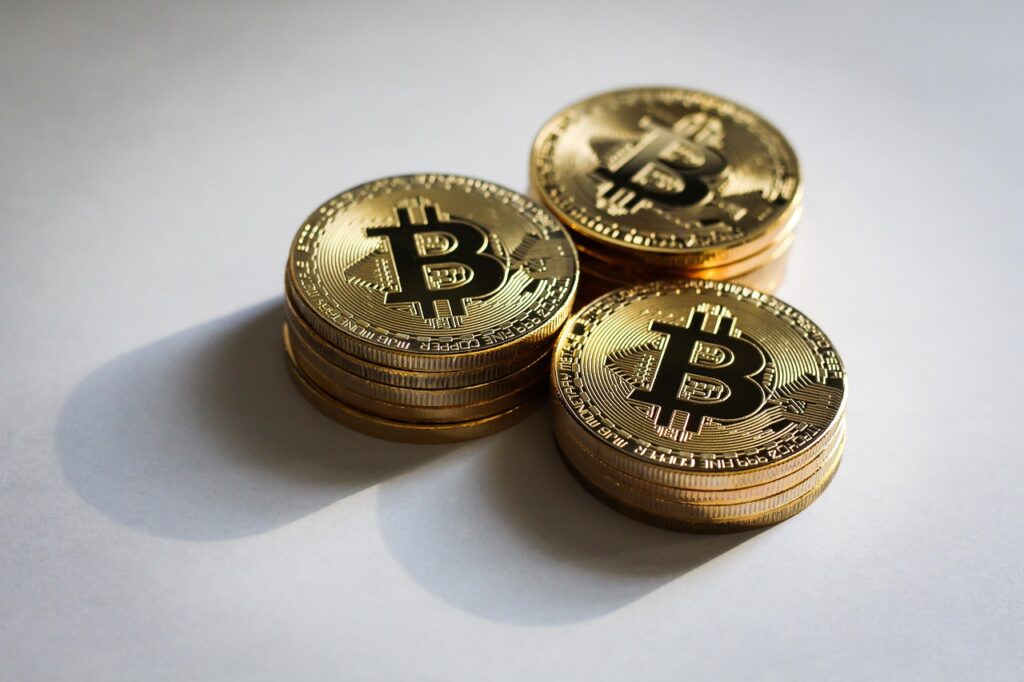
Meme coins are cryptocurrencies that grow out of internet jokes, viral images, or celebrity buzz. Dogecoin and Shiba Inu are the best-known examples. Most of them launch with little or no technical roadmap.
Their value comes almost entirely from attention. When social media chatter grows, prices can jump within hours. When the crowd moves on, prices often collapse just as fast.
What Are Utility Tokens?
Utility tokens give holders access to a product or service inside a specific blockchain ecosystem. For example, a token might pay for network fees, unlock storage space, or grant voting rights on a platform. Therefore, their value connects to how much people actually use the underlying project.
Chainlink’s LINK and Basic Attention Token are common examples. Each one serves a defined function within a working system. Developers usually publish documentation, roadmaps, and team details to support that function.
Meme Coins vs Utility Tokens: The Core Differences
The clearest gap between the two lies in purpose. Utility tokens exist to do something, while meme coins mostly exist to be traded. However, a few meme coins have added real features later on.
Several other factors separate them:
- Value drivers: Meme coins follow social sentiment, while utility tokens follow adoption and demand for the service.
- Supply design: Meme coins often have huge supplies and tiny unit prices. Utility tokens tend to have planned issuance schedules.
- Development: Utility projects usually employ active teams. Many meme coins rely on volunteers or have no team at all.
- Volatility: Both can swing wildly, but meme coins swing harder and without fundamental reasons.
Risk and Reward Compared
Meme coins can deliver extreme short-term gains. Early buyers sometimes multiply their money many times over. On the other hand, most meme coins eventually lose nearly all their value.
Utility tokens carry risk too. A project can fail, lose users, or face stronger competitors. Still, a working product gives the token a foundation that pure hype lacks.
Scams also appear in both categories. Meme coins attract more “rug pulls,” where creators drain liquidity and disappear. As a result, careful research matters even more with newly launched tokens.
How to Evaluate Either Type
Start by asking what problem the token solves. If the answer is vague or missing, treat the project with caution. Next, check who builds and maintains it.
A short checklist helps:
- Read the whitepaper or official documentation.
- Look at trading volume and liquidity on reputable exchanges.
- Check how tokens are distributed among holders.
- Review community activity for genuine discussion rather than empty promotion.
- Confirm the smart contract has been audited.
Furthermore, never invest more than you can afford to lose. This rule applies to every crypto asset, regardless of category.
Can the Two Categories Overlap?
Yes, the line sometimes blurs. A meme coin can build a payment system, a game, or a decentralized exchange around its community. In that case, it starts to gain utility.
Conversely, a utility token can become a speculative favorite driven by hype. Price momentum then depends more on sentiment than on usage. Therefore, judge each token by its actual behavior, not just its label.
Frequently Asked Questions
Are meme coins a bad investment?
They are very high risk. Some traders profit from short bursts of hype, but many holders lose most of their money. Treat them as speculation, not as a core holding.
Do utility tokens guarantee better returns?
No. A real use case helps, but it does not guarantee growth. Market conditions, competition, and execution all affect price.
Can a meme coin become a utility token?
It can, if developers add real functionality. Look for working products and active development before assuming a meme coin has evolved.
Final Thoughts
The difference between these tokens comes down to substance versus sentiment. Utility tokens rely on real function, while meme coins rely on attention and community energy. Both carry risk, so research thoroughly and size your positions carefully. If you want to go deeper, explore our other guides on evaluating crypto projects.
 100Ethereums - Your Guide to Ethereum, Crypto & Blockchain