

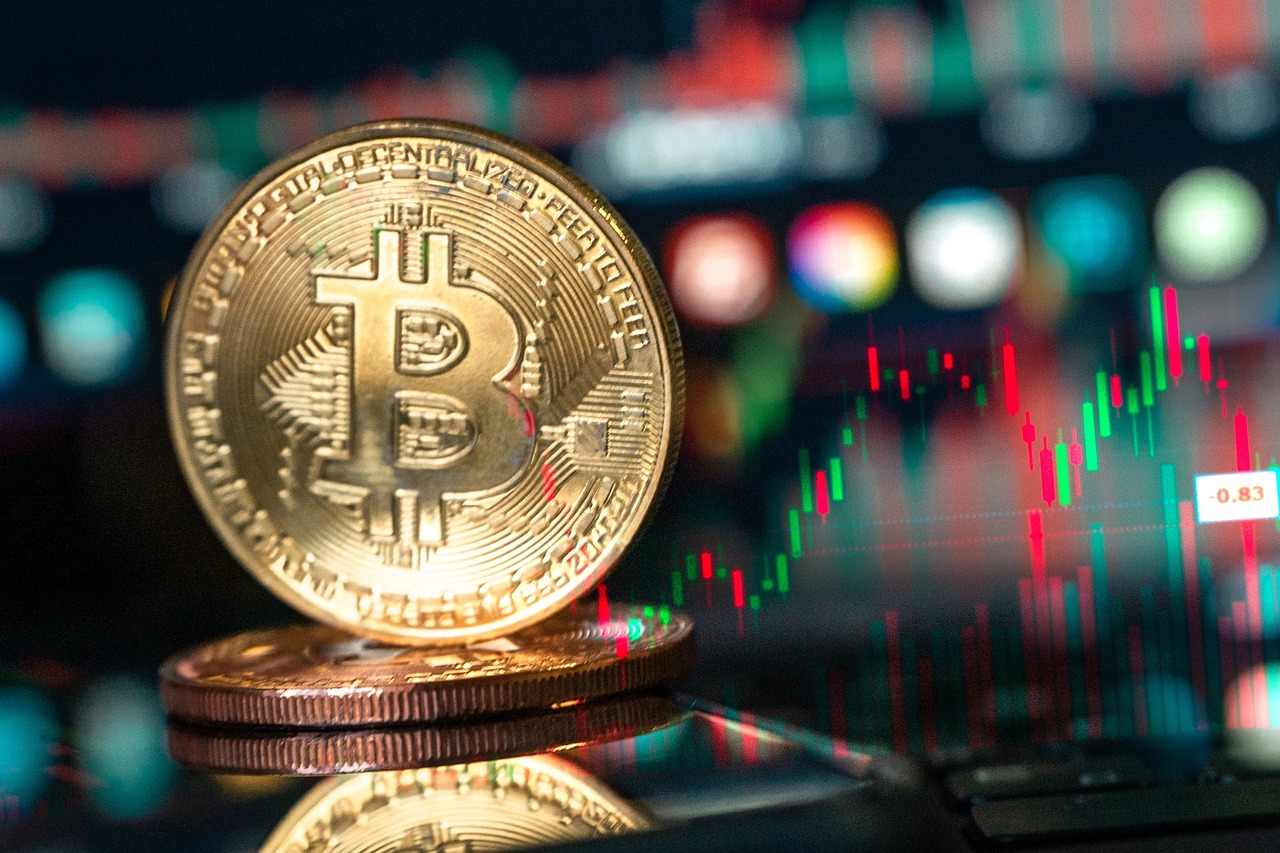
Bitcoin market cap explained in simple terms means understanding how much the entire Bitcoin network is worth. It’s one of the first numbers investors check before buying any cryptocurrency. This guide breaks down what market cap really means and why it matters so much.
What Is Bitcoin Market Cap?
Bitcoin market cap represents the total value of all Bitcoin currently in circulation. You calculate it by multiplying the current price of one Bitcoin by the total number of coins in existence. For example, if Bitcoin trades at $60,000 and there are 19.5 million coins circulating, the market cap equals roughly $1.17 trillion.
This number changes constantly. As the price moves up or down, the market cap shifts along with it.
Why Bitcoin Market Cap Explained Matters to Investors
Many beginners focus only on the price per coin. However, price alone tells you very little about Bitcoin’s overall size or strength.
Market cap gives a clearer picture of the asset’s scale. For instance, a coin priced at $2 with billions of tokens could have a larger market cap than Bitcoin. Therefore, comparing market caps helps investors judge relative size more accurately than comparing prices alone.
How Market Cap Affects Price Stability
Generally, assets with larger market caps show more price stability. Bitcoin’s massive market cap makes it less volatile than smaller altcoins, though it still experiences sharp swings.
Smaller coins with tiny market caps can be moved dramatically by a single large trade. As a result, Bitcoin is often seen as a relatively safer entry point into crypto investing.
Circulating Supply vs Total Supply
Understanding market cap also requires knowing the difference between circulating and total supply. Circulating supply includes only coins actively available and tradable. Total supply includes coins that may still be locked, reserved, or not yet mined.
Bitcoin has a fixed maximum supply of 21 million coins. This scarcity is a major reason many investors view it as a long-term store of value.
Market Cap Ranking Among Cryptocurrencies
Crypto tracking websites rank all coins by market cap, from highest to lowest. Bitcoin consistently holds the top position, followed by Ethereum and other major coins.
This ranking system helps investors quickly assess where a coin stands in the broader market. Consider these key factors that influence a coin’s ranking:
- Current price per coin
- Total circulating supply
- Overall investor demand and adoption
- Market sentiment and news events
Common Misconceptions About Market Cap
One common mistake is assuming market cap equals actual money invested in Bitcoin. In reality, only a fraction of that total value could ever be converted to cash without significantly affecting the price.
Additionally, market cap doesn’t reflect trading volume or liquidity. A coin can have a high market cap yet still be difficult to buy or sell quickly at a stable price.
Fully Diluted Valuation Explained
Fully diluted valuation, or FDV, estimates market cap using the maximum possible supply instead of just circulating supply. For Bitcoin, this number is close to its actual market cap since most coins are already mined.
On the other hand, newer cryptocurrencies often show a huge gap between market cap and FDV. This gap can signal future selling pressure as more coins enter circulation.
Frequently Asked Questions
Is a higher market cap always better?
Not necessarily. A higher market cap usually indicates stability and adoption, but it doesn’t guarantee future price growth.
Can Bitcoin’s market cap drop to zero?
Theoretically yes, if demand completely disappeared, but this remains extremely unlikely given widespread global adoption.
How often does market cap change?
Market cap updates continuously, moving in real time alongside Bitcoin’s price on exchanges.
Where can I check Bitcoin’s current market cap?
Most crypto tracking platforms and exchanges display live market cap data on their homepage or dashboard.
Final Thoughts
Understanding Bitcoin market cap explained clearly gives you a much stronger foundation for evaluating crypto investments. It shows the bigger picture beyond just the price tag. Take time to check market cap alongside other metrics before making any investment decisions.
 100Ethereums - Your Guide to Ethereum, Crypto & Blockchain