

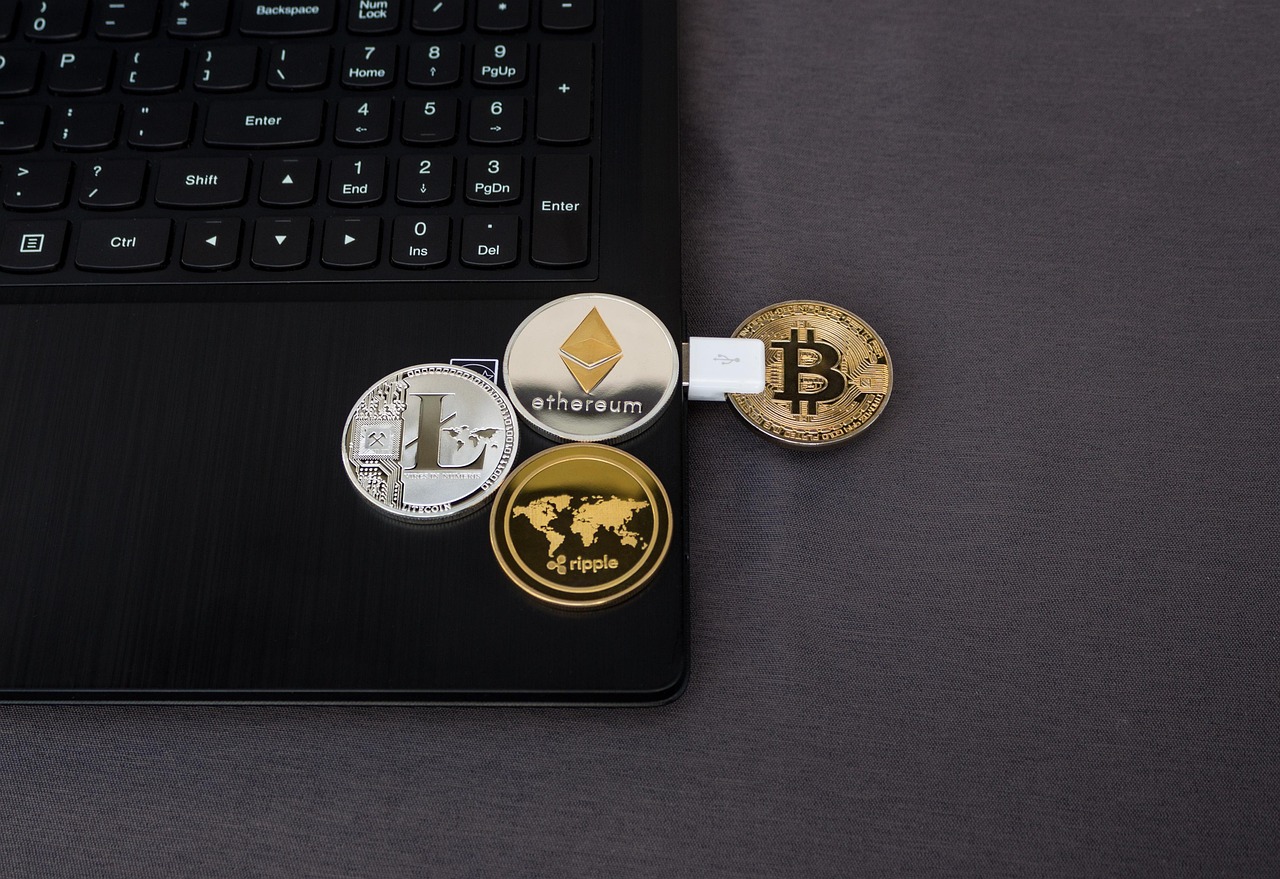
Cryptocurrency has created real opportunities, but it has also attracted criminals. Every year, scammers steal billions of dollars from careless and trusting investors. Learning how to identify crypto scams is the best way to protect your money. This guide explains the common tricks, the warning signs, and the habits that keep you safe.

Why Crypto Scams Are So Common
Crypto transactions are fast, global, and mostly irreversible. Once you send coins to a scammer, you almost never get them back. Moreover, many people still do not understand how the technology works, and fraudsters exploit that confusion.
Regulation also varies from country to country. As a result, scammers can operate across borders with little fear of consequences. They often hide behind anonymous wallets and fake identities.
Common Types of Crypto Scams
Scammers use many different tactics. Understanding the most popular ones helps you spot them quickly.
Fake Investment Schemes
These schemes promise huge returns with little or no risk. A typical pitch guarantees to double your money in a week. No legitimate investment can promise that, so treat every guarantee as a red flag.
Phishing Attacks
Phishing messages pretend to come from exchanges or wallet providers. They urge you to click a link and enter your password or seed phrase. The website looks real, but it exists only to steal your credentials.
Rug Pulls and Pump-and-Dump Schemes
In a rug pull, developers launch a new token, attract investors, and then vanish with the funds. Similarly, in a pump-and-dump, organizers inflate a coin’s price and sell at the peak. Ordinary buyers are left holding worthless tokens.
Romance and Impersonation Scams
Some criminals build a friendship or romance online over several weeks. Eventually, they suggest an “exclusive” crypto investment. Others impersonate celebrities or tech founders, promising to multiply any coins you send.
Warning Signs That Reveal a Scam
Most scams share a few telltale features. Watch for the following signals:
- Guaranteed profits or returns that sound too good to be true.
- Pressure to act immediately or miss a “limited” opportunity.
- Requests for your private keys or seed phrase.
- Unsolicited messages from strangers offering investment advice.
- Vague whitepapers, anonymous teams, or copied websites.
- Payment demands in crypto only, with no refund option.
If you notice even one of these signs, pause and investigate before you send anything. Urgency is the scammer’s strongest weapon, so slow down.
How to Verify a Crypto Project
Before investing, research the project carefully. Start by checking who runs it. A credible team usually has public profiles, a track record, and verifiable experience.
Next, read independent reviews and community discussions. Look for complaints on forums and social media. In addition, confirm that the project’s website uses the correct address, since fake sites often change a single letter.
You should also check whether the code has been audited by a reputable security firm. Audits do not guarantee safety, but a missing audit is a concern. Finally, search the project’s name alongside words like “scam” or “fraud” to see what others have reported.
Practical Steps to Protect Your Assets
Good habits make you a much harder target. First, use only well-known exchanges with a strong security record. Then enable two-factor authentication on every account, preferably with an authenticator app instead of text messages.
For larger holdings, consider a hardware wallet that stores your keys offline. Never share your seed phrase with anyone, including people claiming to be support staff. Genuine companies will never ask for it.
Furthermore, bookmark the official sites you use and avoid clicking links in emails or messages. Start with small test transactions when sending funds to a new address. These simple precautions block most common attacks.
What to Do If You Have Been Scammed
If you fall victim, act quickly. Stop all communication with the scammer and do not send more money, even if they promise to release your funds. Recovery scams often target previous victims.
Next, gather evidence, including wallet addresses, transaction IDs, screenshots, and messages. Report the incident to your local police and to your country’s financial or consumer protection authority. Also notify the exchange involved, since some can freeze suspicious accounts. Although recovery is difficult, reporting helps investigators track criminals and warn others.
Frequently Asked Questions
Can stolen cryptocurrency be recovered?
Recovery is rare because blockchain transactions are irreversible. However, reporting quickly to exchanges and authorities sometimes allows them to freeze funds. Be wary of anyone who charges upfront fees to recover your coins.
Is it safe to invest in new tokens?
New tokens carry much higher risk than established coins. Many are legitimate, but a large share are scams or fail quickly. Only invest money you can afford to lose, and research thoroughly first.
How can I tell if a crypto website is fake?
Check the web address carefully for small spelling changes. Look for secure connection indicators, but remember that scam sites can have them too. Always reach websites through bookmarks or official links rather than ads.
Final Thoughts
Scammers rely on greed, fear, and haste, so patience is your best defense. Knowing how to identify crypto scams lets you recognize the warning signs before any damage occurs. Research every project, protect your private keys, and trust your instincts when something feels wrong. Share this guide with friends and family, and help others stay safe in the crypto world.
 100Ethereums - Your Guide to Ethereum, Crypto & Blockchain