

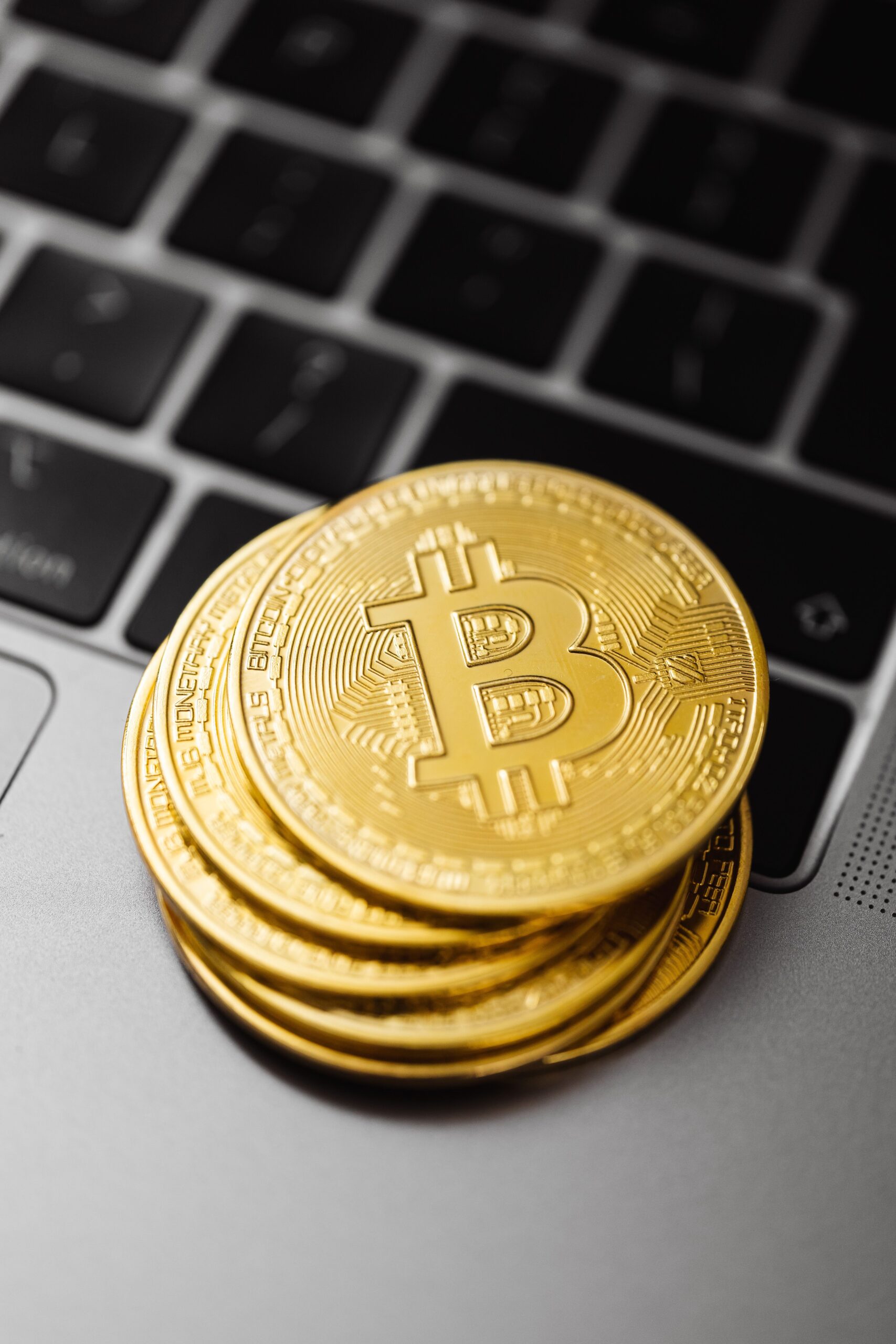
What are Bitcoin whales? They are individuals or entities holding massive amounts of Bitcoin. Their wallets often contain thousands of coins. As a result, their trading decisions can shake up the entire market.
What Are Bitcoin Whales, Exactly?
Bitcoin whales are large holders of Bitcoin who own enough coins to influence price movements. Typically, a whale controls at least 1,000 BTC. However, some whales hold tens of thousands of coins.
These holders include early adopters, crypto exchanges, investment funds, and wealthy individuals. Additionally, some companies now hold Bitcoin as part of their treasury strategy. This trend has created a new category of corporate whales.
How Whales Affect the Market
When a whale moves a large amount of Bitcoin, the market often reacts. For example, a huge transfer to an exchange might signal an upcoming sale. This can trigger fear among smaller investors.
On the other hand, whales sometimes move coins into cold storage. This action suggests long-term holding rather than selling. Therefore, such transfers usually create a more positive market sentiment.
Here are common ways whales impact the market:
- Large sell orders that cause sudden price drops
- Big buy orders that push prices upward quickly
- Wallet transfers that spark speculation and rumors
- Reduced exchange liquidity when coins move offline
Why Traders Track Whale Activity
Many traders monitor whale wallets using blockchain analytics tools. These tools track large transactions in real time. Consequently, traders try to predict price swings before they happen.
For instance, sudden whale deposits to exchanges often precede price dips. Meanwhile, withdrawals to private wallets may indicate accumulation. This information helps traders adjust their strategies quickly.
Are Bitcoin Whales Good or Bad for the Market?
Whales are not inherently harmful to the crypto ecosystem. In fact, they provide liquidity that smaller investors rely on. Without whales, trading volume could drop significantly.
However, their size gives them power that average investors don’t have. A single large trade can cause volatility within minutes. As a result, many traders view whale activity with caution.
How to Track Bitcoin Whale Movements
Several platforms specialize in whale-watching services. These tools alert users whenever a large transaction occurs. This helps retail investors stay informed about potential market shifts.
Some popular tracking methods include:
- Blockchain explorers showing large wallet balances
- Whale alert bots on social media platforms
- On-chain analytics dashboards for deeper insights
By using these resources, investors can make more informed decisions. Ultimately, understanding whale behavior adds valuable context to market analysis.
Frequently Asked Questions
How many Bitcoins make someone a whale?
Generally, a wallet holding at least 1,000 BTC is considered a whale. Some analysts use higher thresholds depending on market conditions.
Can Bitcoin whales manipulate prices?
Yes, large trades can temporarily influence price movements due to their size. However, most whales avoid frequent manipulation since it could hurt their own holdings.
Where can I check whale wallet activity?
Blockchain explorers and whale-tracking platforms display large transactions publicly. Many of these tools are free and updated in real time.
Do whales only sell Bitcoin?
No, whales also buy and hold Bitcoin for long periods. Their strategies vary widely depending on market outlook and personal goals.
Understanding what Bitcoin whales are helps you read market signals more clearly. Their movements often hint at broader trends before they fully unfold. Keep an eye on whale activity, and you’ll gain a sharper perspective on crypto markets.
 100Ethereums - Your Guide to Ethereum, Crypto & Blockchain