

What is proof of work? It is a method that lets a blockchain network agree on valid transactions without trusting any single party. Computers compete to solve a hard puzzle, and the winner adds the next block. This guide explains the idea in plain language.
Bitcoin made the concept famous, but it did not invent it. Researchers first proposed similar ideas to fight email spam in the 1990s. Today, proof of work protects some of the largest digital networks in the world.
How Proof of Work Works
Every blockchain needs a way to decide which transactions are real. Proof of work solves this with a simple rule: work must be done before a block is accepted. That work costs time and electricity, so cheating becomes expensive.
Here is the basic process, step by step:
- Users send transactions to the network.
- Miners collect those transactions into a candidate block.
- Miners repeatedly guess a number until the block’s hash meets the network’s target.
- The first miner to succeed broadcasts the block.
- Other nodes check the answer and add the block to their copy of the chain.
Checking the answer is easy, while finding it is hard. That imbalance is the heart of the system.
The Role of Mining and Hashing
Miners use a hash function, which turns any data into a fixed-length string of characters. Even a tiny change in the input produces a completely different output. Therefore, miners cannot predict which guess will work.
They must try billions of guesses per second. The network sets a difficulty level that limits how often a new block appears. For example, Bitcoin adjusts its difficulty roughly every two weeks to keep blocks arriving about every ten minutes.
In return for their effort, miners receive newly created coins plus transaction fees. This reward gives them a strong reason to follow the rules.
Why Proof of Work Keeps Blockchains Secure
Security is the main reason proof of work remains popular. To rewrite history, an attacker would need to redo the work for a block and every block after it. Meanwhile, honest miners keep extending the real chain.
This is often called a 51% attack. The attacker would need more than half of the network’s total computing power. For large networks, the cost of that hardware and electricity is enormous.
As a result, honest behavior is usually the more profitable choice. Attackers would spend vast sums and might still fail.
Benefits and Drawbacks
Proof of work has clear strengths. It also has real weaknesses that critics raise often. Understanding both sides helps you judge the technology fairly.
Main Advantages
- It has a long, proven track record of securing Bitcoin.
- It lets anyone with hardware join without permission.
- It makes attacks extremely costly.
- Its rules are simple and easy to verify.
Main Disadvantages
- It consumes large amounts of electricity.
- Specialized hardware can concentrate mining among wealthy players.
- It processes relatively few transactions per second.
- Hardware becomes outdated quickly, creating electronic waste.
On the other hand, supporters argue that the energy use buys real security. They also point to a growing share of mining powered by renewable sources.
Proof of Work vs Proof of Stake
Proof of stake is the best-known alternative. Instead of burning energy, validators lock up coins as collateral. The network selects them to propose blocks, and they lose part of their stake if they cheat.
Ethereum switched from proof of work to proof of stake in 2022. That change cut its energy use dramatically. However, Bitcoin still relies on proof of work, and its community values the method’s long record of resilience.
Neither approach is perfect. Each trades off energy use, decentralization, and security in different ways.
Frequently Asked Questions
Is proof of work the same as mining?
Not exactly. Mining is the activity, while proof of work is the rule that makes mining meaningful. Miners perform the work, and the protocol verifies it.
Why does proof of work use so much energy?
The energy cost is intentional. It makes attacking the network too expensive to be worthwhile.
Which cryptocurrencies use proof of work?
Bitcoin, Litecoin, and Dogecoin are well-known examples. Many smaller coins also use it.
Can a regular computer mine today?
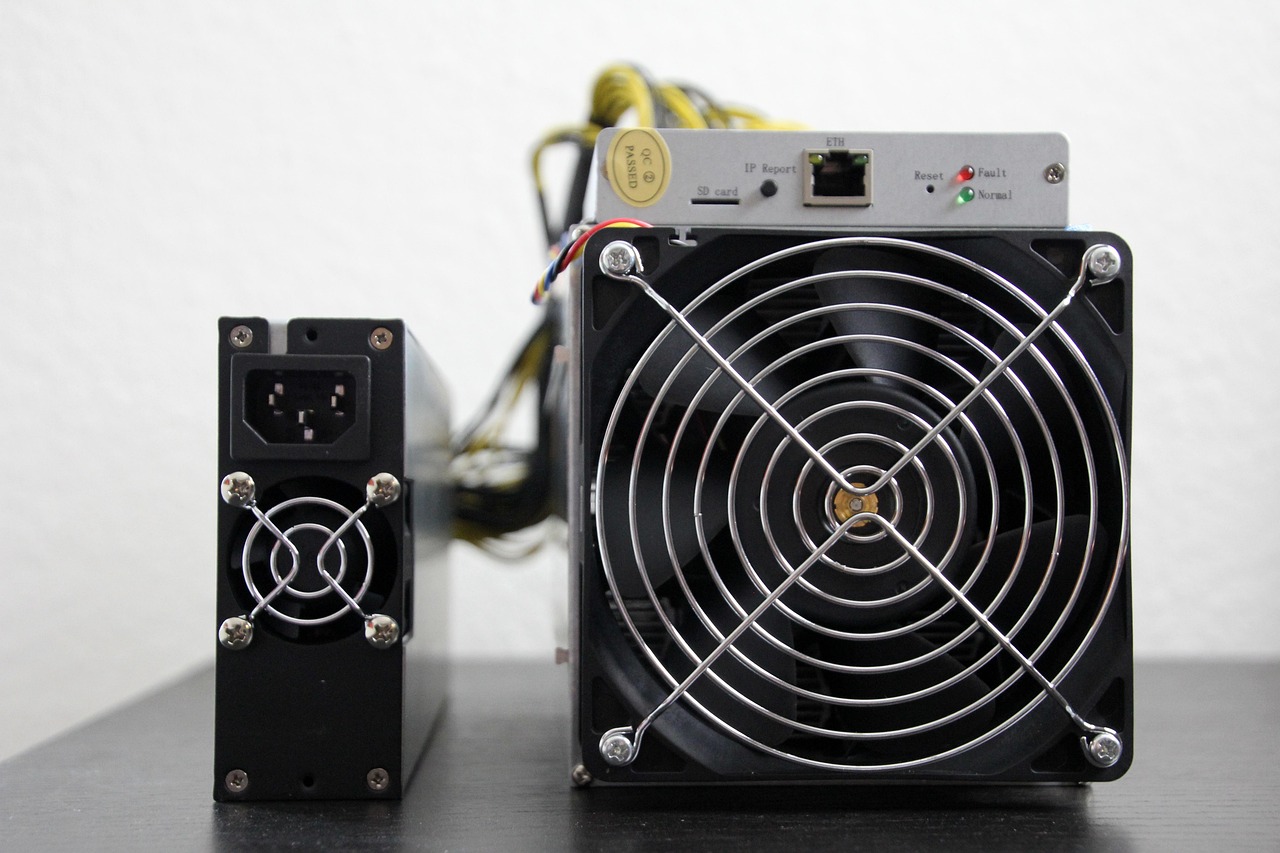
For major coins, rarely. Specialized machines called ASICs dominate, so home computers can seldom compete.
Final Thoughts
Proof of work turns computing power into trust. It rewards honest miners, punishes attackers, and keeps blockchains running without a central authority. Its energy demands remain a serious concern, yet its security record is hard to ignore. If you want to go further, explore how blockchain consensus and cryptocurrency mining shape the digital economy.
 100Ethereums - Your Guide to Ethereum, Crypto & Blockchain