

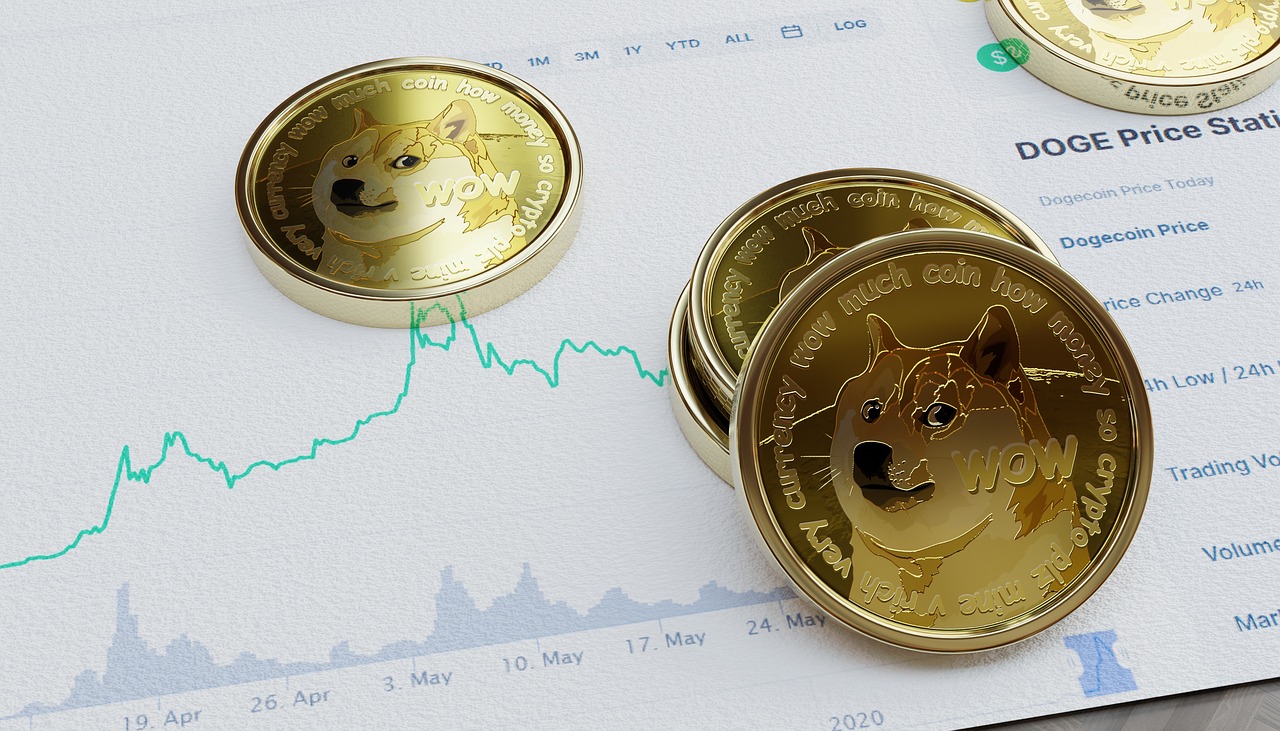
Anyone who has watched Bitcoin swing wildly in a single day has probably asked the same question. How cryptocurrency prices are determined can seem like a mystery at first glance. In reality, several clear factors work together to set these values, and understanding them can help you make smarter decisions.
Supply and Demand Basics
At its core, crypto pricing follows the same rule as most markets. When more people want to buy a coin than sell it, the price rises. When sellers outnumber buyers, prices drop.
Many cryptocurrencies also have a fixed or limited supply. Bitcoin, for example, will never exceed 21 million coins. This scarcity often pushes prices higher as demand grows over time.
How Cryptocurrency Prices Are Determined by Exchanges
Crypto exchanges play a huge role in setting prices. Each exchange runs its own order book, matching buyers and sellers in real time.
As a result, prices can vary slightly between platforms. Traders sometimes exploit these small gaps through arbitrage, buying low on one exchange and selling high on another.
Market Sentiment and News
Investor emotions move crypto markets more than most people realize. Positive news, such as major companies accepting Bitcoin, often triggers buying waves.
On the other hand, negative headlines like regulatory crackdowns can cause sharp sell-offs. Social media also amplifies these reactions, sometimes within minutes.
- Celebrity endorsements or criticisms
- Government regulations and legal decisions
- Major hacks or security breaches
- Adoption by businesses and institutions
The Role of Trading Volume
Trading volume shows how much of a coin changes hands during a given period. Higher volume usually means more stable pricing, since large orders have less impact.
Therefore, coins with low trading volume tend to experience wilder price swings. A single large purchase or sale can move the price significantly in these thinner markets.
Mining Costs and Network Factors
For proof-of-work cryptocurrencies like Bitcoin, mining costs matter too. Electricity prices, hardware expenses, and network difficulty all influence how much it costs to produce new coins.
When mining becomes more expensive, some miners may hold onto their coins rather than sell at a loss. This behavior can reduce available supply and support higher prices.
Utility and Real-World Use
Cryptocurrencies with genuine use cases often maintain stronger value over time. For example, coins that power smart contracts or decentralized apps attract steady demand from developers and users.
Additionally, projects with active communities and ongoing development tend to inspire more investor confidence. This confidence directly affects buying behavior and long-term pricing.
Macroeconomic Influences
Global economic conditions also shape crypto prices. Inflation concerns, interest rate changes, and stock market trends all spill over into digital asset markets.
For instance, many investors turn to Bitcoin during periods of high inflation, treating it as a hedge similar to gold. This connection between traditional finance and crypto continues to grow stronger each year.
Frequently Asked Questions
Why do cryptocurrency prices change so quickly?
Crypto markets operate 24/7 and often have lower liquidity than traditional stock markets. This combination makes prices more sensitive to news, large trades, and sudden shifts in sentiment.
Does one exchange set the “real” price of a cryptocurrency?
No single exchange controls the official price. Instead, prices are aggregated across multiple platforms, and small differences between exchanges are normal.
Can government regulation affect crypto prices?
Yes, regulatory news often causes significant price movements. Announcements about bans, taxes, or legal approval can shift market sentiment almost instantly.
Is cryptocurrency pricing similar to stock pricing?
They share some similarities, like supply and demand dynamics. However, crypto markets are generally more volatile and less regulated than traditional stock exchanges.
Understanding how cryptocurrency prices are determined takes time, but the core principles remain consistent across the market. Supply, demand, sentiment, and real-world utility all play their part. Keep learning and watching these factors, and you will feel more confident navigating the crypto space.
 100Ethereums - Your Guide to Ethereum, Crypto & Blockchain