

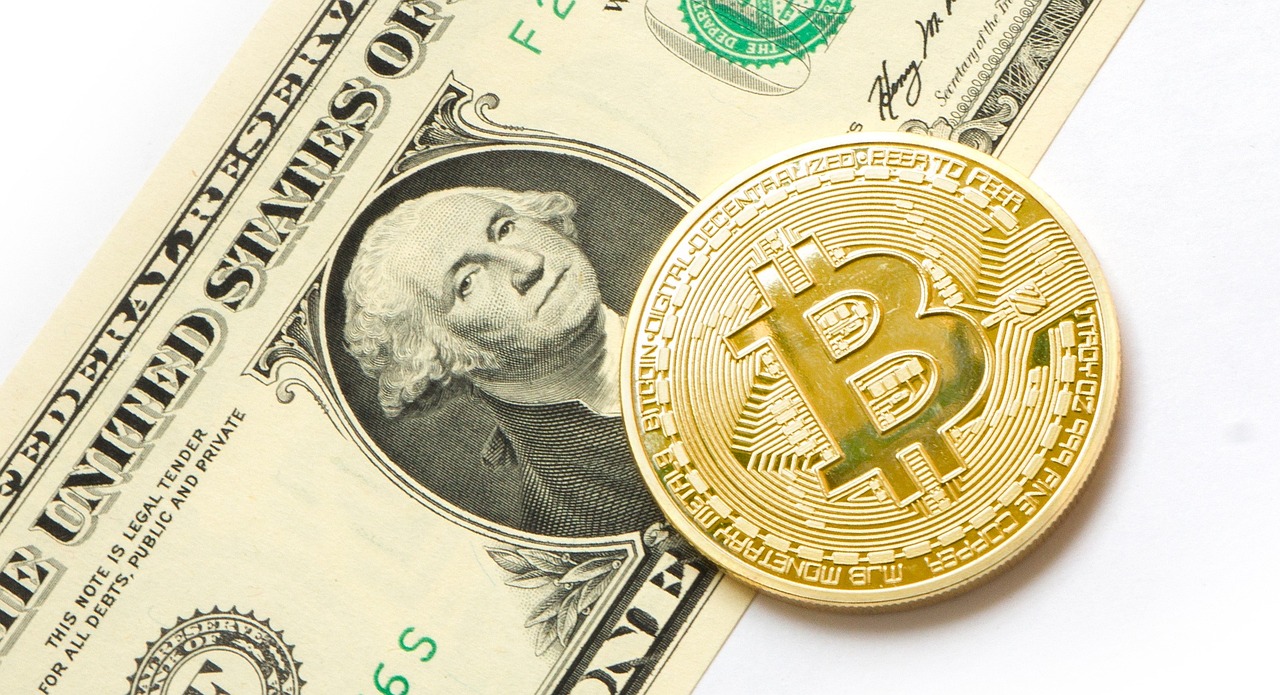
Bitcoin vs Altcoins: what is the difference? This question comes up constantly among new crypto investors. Bitcoin was the first cryptocurrency, while altcoins refer to every other digital coin that came after it. Understanding this distinction helps you make smarter investment decisions.
What Makes Bitcoin Different
Bitcoin launched in 2009 as the original cryptocurrency. It was created to be a decentralized form of digital money, free from banks or governments. Because it was first, Bitcoin remains the most recognized and widely traded crypto asset today.
Its supply is capped at 21 million coins. This scarcity is a major reason many investors see Bitcoin as a store of value, similar to digital gold. Additionally, Bitcoin’s network is considered the most secure due to its massive computing power.
Bitcoin vs Altcoins: The Core Difference
When comparing Bitcoin vs altcoins, the main difference lies in purpose and design. Bitcoin focuses mainly on being a currency and store of value. Altcoins, on the other hand, often aim to solve different problems entirely.
For example, Ethereum introduced smart contracts, allowing developers to build applications on its blockchain. Other altcoins focus on fast payments, privacy, or connecting different blockchains together. As a result, altcoins offer far more variety than Bitcoin alone.
Types of Altcoins You Should Know
Not all altcoins serve the same function. They generally fall into a few categories, each with a distinct role in the crypto ecosystem.
- Smart contract platforms like Ethereum and Solana
- Stablecoins pegged to real-world currencies, such as USDT
- Privacy coins designed for anonymous transactions
- Utility tokens tied to specific apps or platforms
Therefore, calling all non-Bitcoin coins “altcoins” can be misleading. Each type carries its own risks and use cases.
Risk and Volatility Compared
Bitcoin tends to be less volatile than most altcoins, though it still experiences significant price swings. Altcoins can move faster in both directions, offering higher potential rewards alongside higher risk.
Many altcoins also have smaller market caps. This means large trades can move their prices dramatically. On the other hand, Bitcoin’s massive market size makes it harder to manipulate.
Which Should You Choose?
There is no single right answer here. Your choice depends on your goals, risk tolerance, and how much research you’re willing to do.
Investors seeking stability often lean toward Bitcoin. Those looking for growth potential may explore promising altcoin projects instead. A balanced approach often includes both, spreading risk across different assets.
For example, some investors hold Bitcoin as a long-term foundation. They then allocate a smaller portion to altcoins they believe in. This strategy combines Bitcoin’s stability with the growth potential altcoins can offer.
Frequently Asked Questions
Is Bitcoin better than altcoins?
Neither is universally “better.” Bitcoin offers more stability and recognition, while altcoins provide diverse features and higher growth potential with added risk.
Are all altcoins risky investments?
Not all altcoins carry the same risk level. Stablecoins are designed for low volatility, while smaller, newer coins tend to be far riskier.
Can altcoins replace Bitcoin?
Some altcoins offer features Bitcoin lacks, but Bitcoin still leads in security, adoption, and market trust. Most experts see them as complementary, not competing.
How many altcoins exist today?
Thousands of altcoins exist, ranging from major projects like Ethereum to small, experimental tokens with limited use cases.
Final Thoughts
Understanding Bitcoin vs altcoins helps you build a more informed crypto strategy. Bitcoin offers stability and history, while altcoins bring innovation and variety. Take time to research each option before deciding where to invest your money.
 100Ethereums - Your Guide to Ethereum, Crypto & Blockchain