

Bitcoin mining sounds complicated, but the core idea is fairly simple. Many people ask how does Bitcoin mining work when they first hear about cryptocurrency. This article breaks it down into clear, easy steps anyone can follow.
What Is Bitcoin Mining?
Bitcoin mining is the process of verifying transactions on the Bitcoin network. Miners use powerful computers to solve complex mathematical puzzles. Once solved, the transaction gets added to the blockchain. As a result, the network stays secure and accurate.
Additionally, mining creates new bitcoins as a reward for the work. This is currently the only way new bitcoins enter circulation. Without miners, the entire system would stop functioning properly.
How Does Bitcoin Mining Work Step by Step?
First, users send Bitcoin transactions across the network. These transactions get grouped together into a block. Miners then compete to solve a puzzle related to that block.
The puzzle requires guessing a specific number called a “nonce.” Miners try billions of combinations every second. Therefore, the process demands enormous computing power and electricity.
Once a miner finds the correct answer, they broadcast it to the network. Other miners quickly verify the solution. If it checks out, the block joins the blockchain permanently.
The Role of Mining Hardware
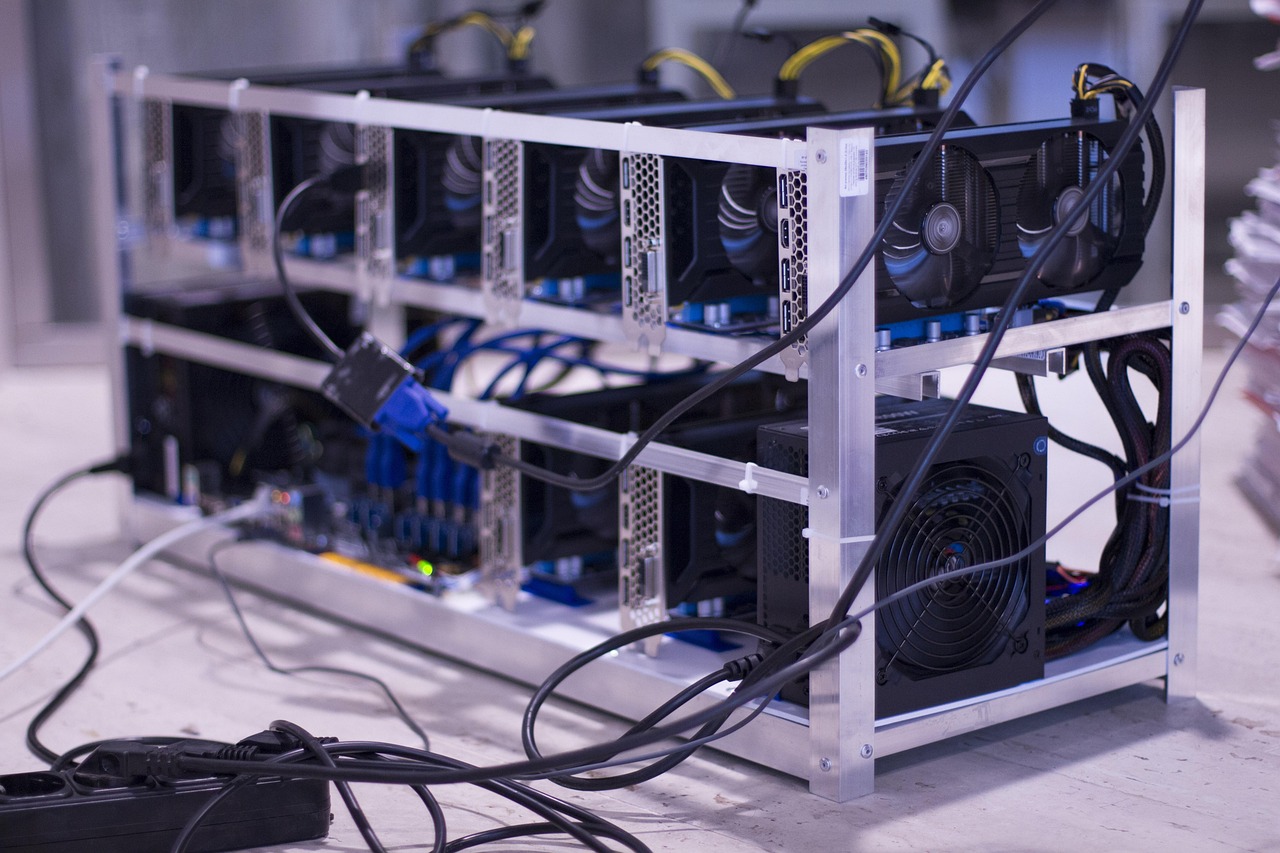
Modern mining relies on specialized machines called ASICs. These devices are built specifically for solving Bitcoin puzzles efficiently. Regular computers simply cannot compete with this hardware anymore.
- ASIC miners: dedicated hardware built for Bitcoin mining
- Mining pools: groups of miners combining resources
- Cooling systems: needed to prevent overheating
- Reliable electricity: essential for continuous operation
Why Do Miners Compete for Rewards?
Miners earn newly created bitcoins plus transaction fees. This reward motivates people to keep securing the network. On the other hand, mining requires significant upfront investment.
For example, electricity costs and hardware expenses can be substantial. Many miners join mining pools to share resources and rewards. This approach reduces risk while still earning steady income.
What Is Proof of Work?
Bitcoin uses a system called “proof of work” to secure the network. This means miners must prove they performed real computational effort. Consequently, cheating or faking transactions becomes nearly impossible.
The difficulty of the puzzle adjusts automatically over time. When more miners join, the puzzles get harder. This keeps new blocks appearing roughly every ten minutes.
Is Bitcoin Mining Still Profitable?
Profitability depends on several factors working together. Electricity prices, hardware efficiency, and Bitcoin’s market price all matter. Therefore, some miners profit while others struggle to break even.
Large-scale operations often locate in regions with cheap electricity. Small individual miners face tougher competition today. Still, mining pools allow smaller players to earn modest rewards.
Frequently Asked Questions
Can I mine Bitcoin on my home computer?
Technically yes, but it’s no longer profitable. Modern ASIC hardware vastly outperforms regular computers for this task.
How long does it take to mine one Bitcoin?
This depends entirely on your hardware and network difficulty. Most individual miners join pools instead of mining alone to earn steady, smaller rewards.
Does Bitcoin mining use a lot of energy?
Yes, mining consumes significant electricity due to the computational power required. This is why many operations seek locations with cheap, renewable energy sources.
What happens when all bitcoins are mined?
Miners will then earn income solely from transaction fees. The total Bitcoin supply is capped at 21 million coins.
Final Thoughts
Understanding how does Bitcoin mining work helps explain why the network stays secure and trustworthy. Miners invest real resources to validate transactions and earn rewards. If you’re curious about getting started, research current hardware options and electricity costs carefully before investing.
 100Ethereums - Your Guide to Ethereum, Crypto & Blockchain