

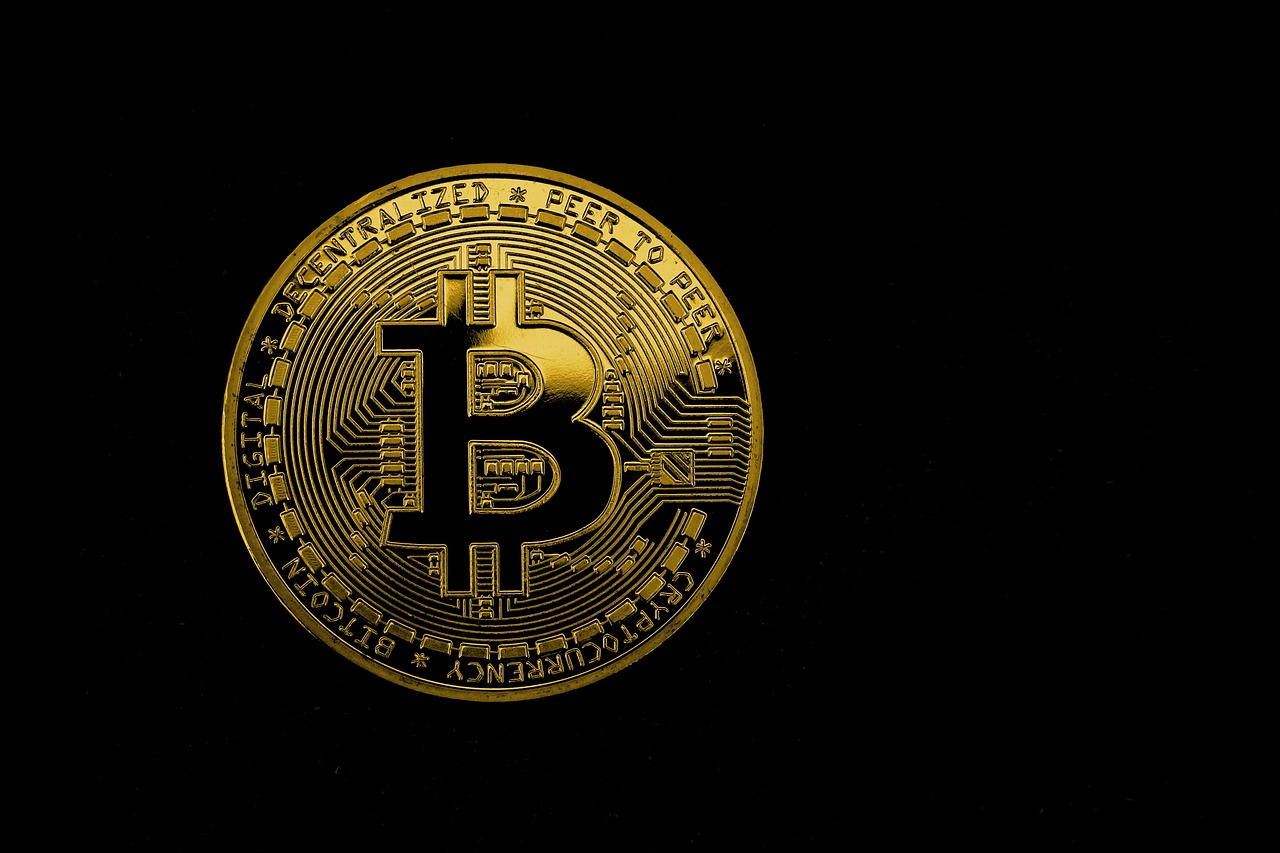
Money is changing fast, and digital assets now sit alongside cash in many wallets. The debate over stablecoins vs traditional currency has grown louder as more people shop, save, and invest online. This article breaks down what separates these two forms of money in simple terms.

What Makes Traditional Currency Different
Traditional currency refers to government-issued money like dollars, euros, or shekels. Central banks control its supply and value through interest rates and monetary policy. Most people trust it because it has legal backing and decades of stable use.
However, traditional currency can lose value over time due to inflation. As a result, the same amount of cash buys less in the future. This is one reason people started looking for alternatives that behave more predictably.
Stablecoins vs Traditional Currency: The Core Difference
Stablecoins are digital tokens designed to hold a steady value, usually pegged to a currency like the US dollar. Unlike volatile cryptocurrencies such as Bitcoin, stablecoins aim to avoid wild price swings. This makes the comparison of stablecoins vs traditional currency especially interesting for everyday users.
Additionally, stablecoins run on blockchain networks, meaning transactions happen digitally without a bank acting as the middleman. Therefore, transfers can be faster and cheaper, especially across borders.
How Stablecoins Maintain Their Value
Most stablecoins are backed by reserves held in cash, government bonds, or other assets. The issuer promises to redeem each token for its equivalent value. For example, one stablecoin might always equal one US dollar, backed by actual dollars in reserve.
- Fiat-collateralized stablecoins backed by cash reserves
- Crypto-collateralized stablecoins backed by other digital assets
- Algorithmic stablecoins that use code to control supply
Each type carries different risks. On the other hand, all share the same goal: keeping the price steady for users.
Speed and Accessibility
Traditional currency transfers often go through banks, which can take days for international payments. Stablecoins, however, move almost instantly across the globe. This speed appeals to freelancers, travelers, and businesses that need quick settlements.
Furthermore, anyone with internet access can use stablecoins without needing a traditional bank account. This opens financial tools to people in regions with limited banking infrastructure.
Risks Worth Considering
Despite their advantages, stablecoins are not risk-free. Some issuers have faced questions about whether their reserves truly match the tokens in circulation. Regulation is still developing in many countries, which creates uncertainty.
Traditional currency, meanwhile, benefits from established legal protections and deposit insurance in most nations. Consequently, many people still feel safer holding cash or bank deposits for daily needs.
Which One Should You Use?
The choice between stablecoins vs traditional currency often depends on your goals. For daily groceries and bills, traditional currency remains simple and widely accepted. For cross-border payments or digital investments, stablecoins offer speed and flexibility.
Many people now use both, treating stablecoins as a digital tool alongside their regular bank accounts. This blended approach lets users enjoy the strengths of each system.
Frequently Asked Questions
Are stablecoins safer than traditional currency?
Not necessarily. Traditional currency has stronger legal protections, while stablecoins depend on the issuer’s reserve management and transparency.
Can I spend stablecoins like regular money?
Some merchants and platforms accept stablecoins directly, but acceptance is still limited compared to traditional currency.
Do stablecoins lose value like other cryptocurrencies?
Stablecoins are designed to avoid major price swings, unlike Bitcoin or Ethereum. However, they can still lose their peg if reserves are mismanaged.
Is it legal to use stablecoins?
In most countries, using stablecoins is legal, though regulations vary and continue to evolve.
Final Thoughts
Understanding stablecoins vs traditional currency helps you make smarter financial choices in a changing world. Both systems offer unique benefits depending on your needs. Take time to research reputable stablecoin issuers before making the switch for any major transactions.
 100Ethereums - Your Guide to Ethereum, Crypto & Blockchain