
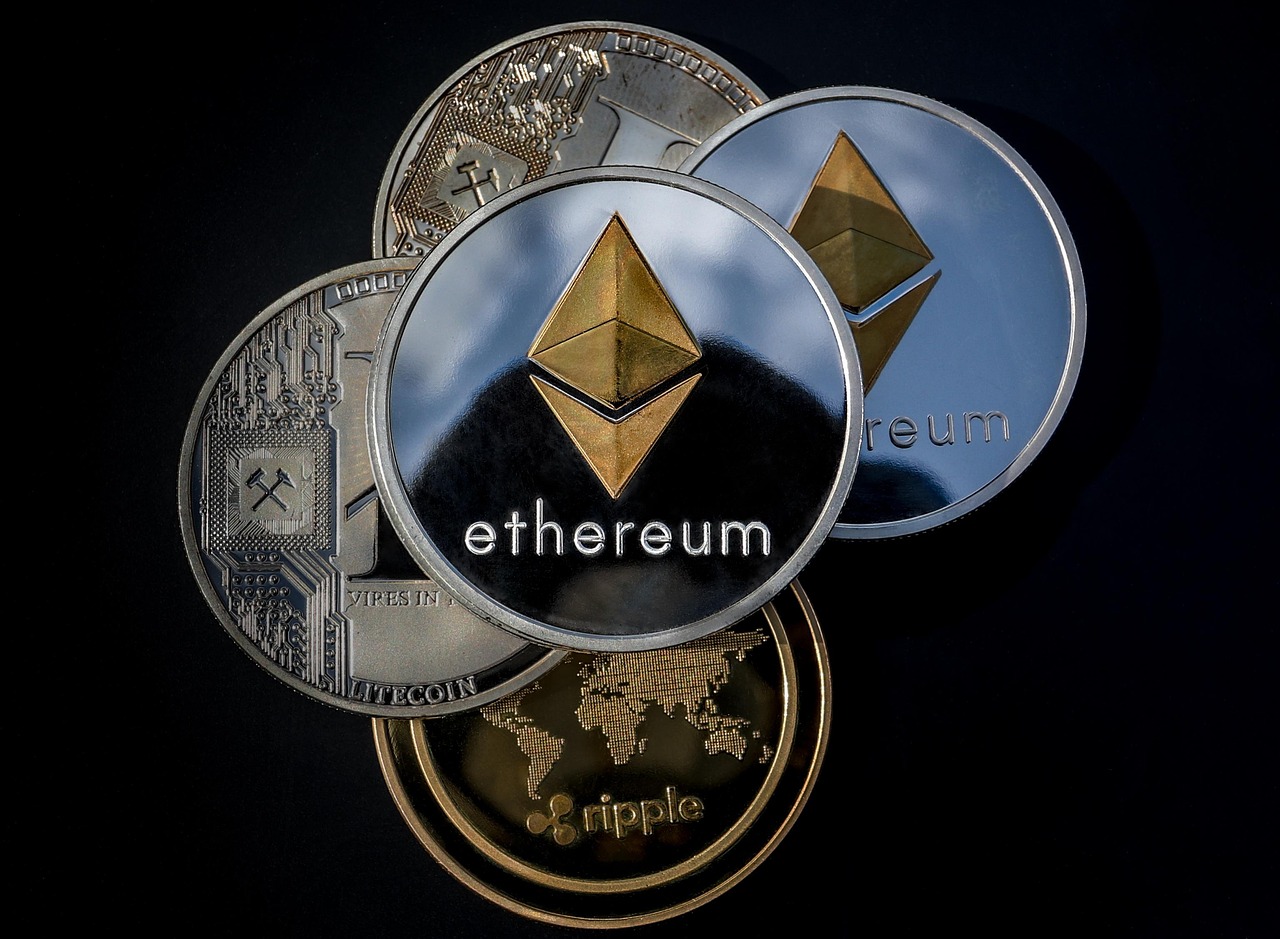
What Is Ethereum? It’s one of the first questions newcomers ask when they start exploring cryptocurrency. Ethereum is a decentralized computing network that runs on blockchain technology. Unlike simple digital cash, it powers apps, contracts, and entire financial systems without a central authority.
What Is Ethereum, Exactly?
Ethereum launched in 2015 as an open-source blockchain platform. It was created by programmer Vitalik Buterin and a team of developers who wanted more than just digital money. They wanted a global computer that anyone could use.
Ether (ETH) is the native currency of the Ethereum network. People use it to pay for transactions, run applications, and reward the computers that keep the network secure.
How Does Ethereum Work?
Ethereum relies on a blockchain, which is a shared digital ledger. Thousands of computers around the world store copies of this ledger. As a result, no single company or government controls the network.
Transactions get verified through a process called staking. Validators lock up ETH as collateral, and in return, they earn rewards for confirming transactions honestly. This system replaced the older, more energy-intensive mining method in 2022.
Smart Contracts: Ethereum’s Key Feature
Smart contracts are self-executing pieces of code stored on the blockchain. They automatically carry out an agreement once certain conditions are met. For example, a smart contract could release payment the moment a buyer confirms delivery.
This feature sets Ethereum apart from Bitcoin. While Bitcoin mainly functions as digital money, Ethereum acts as a platform for building decentralized applications, or dApps.
What Can You Do With Ethereum?
People use Ethereum for far more than simple transfers. Developers build entire industries on top of it. Here are some common use cases:
- Decentralized finance (DeFi) apps for lending and borrowing without banks
- NFT marketplaces for buying and selling digital art or collectibles
- Decentralized exchanges for trading cryptocurrencies directly
- Gaming platforms with in-game assets stored on the blockchain
- Organizations governed by code instead of traditional management
Additionally, businesses use Ethereum to track supply chains, verify identities, and issue new digital tokens.
Ethereum vs Bitcoin: The Main Differences
Bitcoin was designed primarily as a store of value and a payment method. Ethereum, on the other hand, was built as a flexible platform for applications. Both use blockchain technology, but their goals differ significantly.
Therefore, comparing them directly can be misleading. Bitcoin is often called “digital gold,” while Ethereum functions more like a decentralized app store combined with a payment network.
Is Ethereum Safe to Use?
Ethereum’s core network has operated securely since 2015. However, safety often depends on how users interact with it. Scams, phishing attempts, and poorly coded smart contracts can still cause losses.
As a result, beginners should research any platform before sending funds. Using reputable wallets and double-checking website addresses reduces most common risks.
Getting Started With Ethereum
Beginners typically start by setting up a digital wallet. This wallet stores ETH and connects to various apps built on the network. From there, users can buy small amounts of ETH through trusted exchanges.
It’s wise to start small while learning how transactions and fees work. Ethereum transaction fees, known as “gas fees,” fluctuate based on network demand.
Frequently Asked Questions
Is Ethereum the same as Bitcoin?
No, they are different networks with different purposes. Bitcoin focuses on digital payments, while Ethereum supports smart contracts and decentralized applications.
Can I lose money using Ethereum?
Yes, cryptocurrency prices are volatile, and scams do exist. Always research platforms carefully and never invest more than you can afford to lose.
Do I need technical skills to use Ethereum?
Not necessarily. Basic activities like buying ETH or using a wallet are fairly user-friendly today, though building apps requires programming knowledge.
What is gas in Ethereum?
Gas refers to the fee paid to process transactions or run smart contracts on the network. Fees change depending on how busy the network is at any given time.
Final Thoughts
Ethereum represents far more than another cryptocurrency. It offers a foundation for decentralized apps, finance, and digital ownership. As you continue exploring this space, take time to research thoroughly before making any financial decisions.
 100Ethereums - Your Guide to Ethereum, Crypto & Blockchain